Beer Roundup #6: Three from My Cellar

Food and Drink

bourbon County brand Stout

THREE FROM MY CELLAR

To Buy or Not to Buy?

1 = horrible
2 = bad
3 = average
3.5 = good (many better beers out there; won’t buy this again)
4 = very good
4.5 = great
5 = rare best

A Note on My Cellaring Experience:

Two things had me feeling anxious about all the beer in my cellar.  First, my wife and I moved apartments last summer, and all the beer suffered a potentially bruising trip, jostled in the back of a moving van in hot weather.  Second, the storage unit in the basement of our new apartment building didn’t stay cool summer long.  In fact, for a period of at least a week or two, temps down there rose into the upper 70s if not lower 80s.  Thankfully, I didn’t detect any ill effects in my test samples at the end of the summer, nor in any of these three beers, here.

Brewer’s Reserve Bourbon Barrel Stout, Central Waters Brewing Co.

Rating:  4.88/5

12 oz. bottle (4-pk)  9.5% abv, 70 IBU.

This is the “2012” from my cellar, 13 months of aging.

Pours nearly perfectly black, with a rim of tanned leather at the 2mm of fast-dissipating khaki foam, plus bits of lacing and legs of running alcohol on the glass.

In the nose it’s an umami cocoa, first and foremost.  How choco-wonderous.  Then aromas of toast, burnt sugar, and bourbon, with hints of coffee and vanilla.  But one really has to work to get this complexity, as the aromas are whisper quiet.  (In fact, I’ve demoted the aroma score.)  The oak barrel is nice.  People talk about toasted coconut in the aroma, but that’s one note I’ve been unable to fathom.

In the mouth it’s a spumoni ice-cream cross of vanilla and chocolate.  It’s so good, one tends toward big mouthfuls to swish from side to side, front to back.  It’s nearly the vanilla heights of Southern Tier Creme Brulee Stout.  Perhaps it’s the aging, but the bourbon comes muted. (But my wife feels the bourbon is highly present.)  Roasty malt and charred oak walk with maple syrup, burnt caramel, and chewy biscuit.  Then the dried fruits come, some raisin or prune, and a candied cherry.  The merest suggestions of pine-hops and anise twist the thumbscrews of complexity.  It all washes down with coffee and cream on the backend.

Medium- to full-bodied, fabulously smooth, with a modest carbonation and a mild boozy heat.

Decadent, delicious.  It goes down fast.  Something this rich, you would expect it to be a one-and-done type of deal.  But I feel I could have several. Perhaps that’s the beauty of a sub-10% abv.

I’m just as impressed with this as I am BCBS or Mikkeler Black Hole or Midnight Sun Berserker.  It puts into perspective Tier 1 vs. Tier 2 imperial stouts.  Now relegated to Tier 2 are:  Stone Imperial Russian Stout, Founders Breakfast Stout, Southern Tier Mokah/Jahva, Weyerbacher Tiny, and Goose Island Big John.

Brewers Reserve Bourbon Barrel Barleywine Ale, Central Waters Brewing Co.

Rating:  5/5

12 oz. bottle (4-pk)  11.2% abv, — IBU.

This is a “2013”, so eleven months of aging.

A clear reddish-caramel in a tulip glass, with almost no head, even after an moderately aggressive pour (hence the 11.5% alcohol).  Lacing is sparse, but with serious stick-to-it-iveness and dripping legs down the glass.

How I miss this aroma.  Brings me right back to snowy April of last year.  Bourbon in the nose seems nicely muted compared to my memory of it.  I remember the bourbon being more pronounced in the aroma.  The vanilla, too.  Oak and char and melted butter bring further bouts of nostalgia.  Brown sugar and raisin, too.  Yeah, baby.

In the mouth the aging is instantly evident, with the hop bitterness knocked way back (though there’s still a ghostly, earthy pine bitterness on the back-end, for sure).  Pushing against the simple-syrup sweetness, the quiet hops present about an 80 or so IBU.  The flavor is wonderfully round:  soft sugar cookie, ice-cream-caramel swirl, fig and prune, then the bourbon.  I put more in the glass, and pie crust fills my nostrils.  Plus Juicy Fruit Gum and marshmallow.  It’s massively toffee sweet, and yet the mild hops and tannins from the oak–not to mention the brightness of the still-respectable boozey ABV–bring balance.  It drinks like Dogfish Head 120 Minute.

Despite a fairly significant carbonation, the smoothness makes me want to cry.  It gives the feel of a super-syrupy moscato di asti.  Definitely more an English Barleywine profile, at least after the aging.  How astonishing to experience true beer nirvana.  I feel like I did two years ago sipping a JW Lees Harvest Ale for the first time.

CW’s detractors denounce them as a one-trick (bourbon barrel) pony.  Not only is this wrong (duh, Illumination?  Exodus?  La Petite Mort?).  But even if true, this is bourbon-barrel aging at its very best.

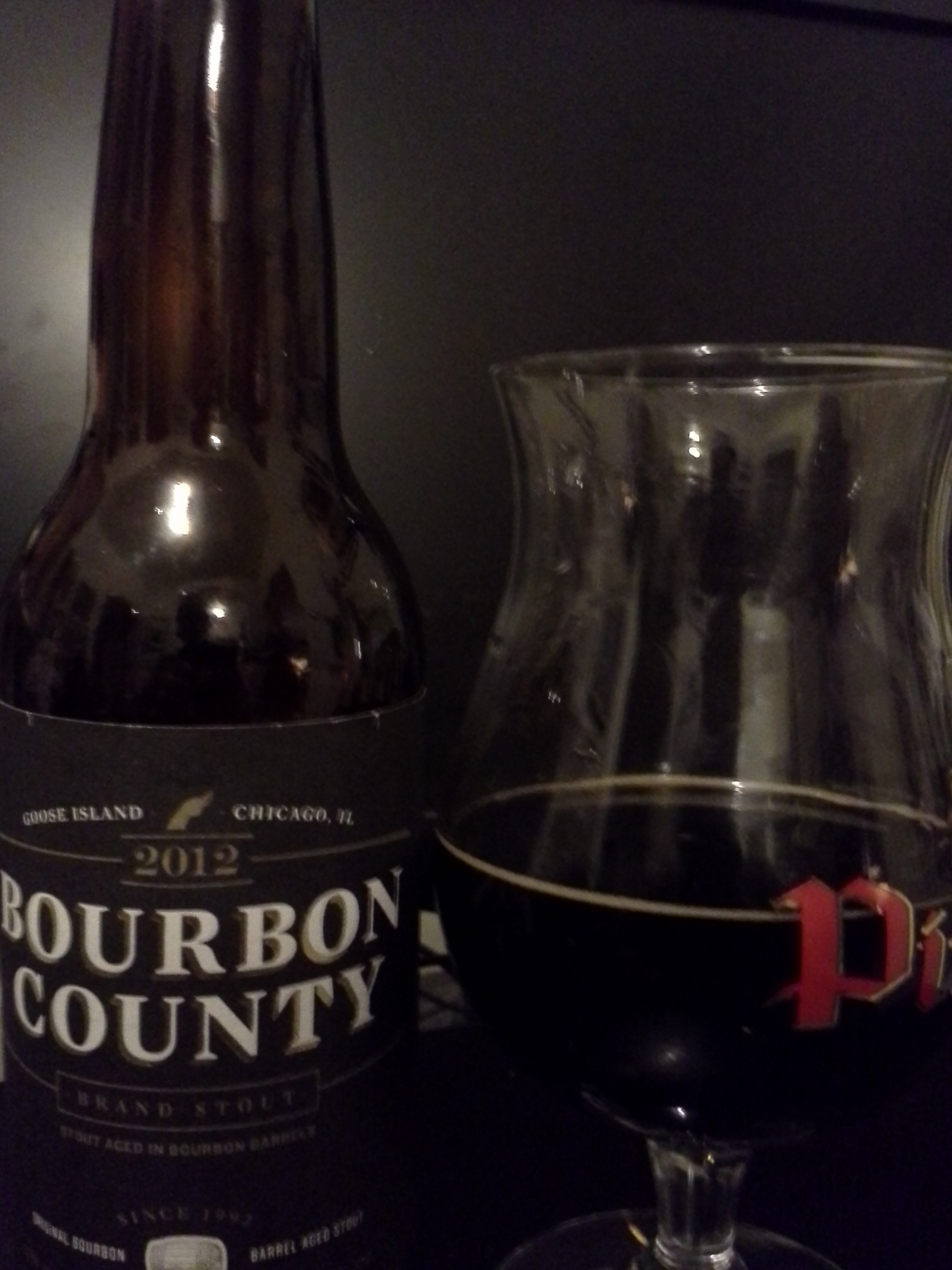
Bourbon County Brand Stout, Goose Island Beer Co.

Rating:  5/5

12 oz. bottle (4-pk)  15% abv, — IBU.

This is a 2012 BCBS, so 18 months-old.  It’s much smoother, sweeter, with less astringency than it had last year.  There’s still almost no head to speak of, poured into a snifter.  It looks like soy sauce with some floating bubbles.  I might have said it also smelled of soy sauce, or at least chilled soy sauce.  Then I realized the aroma was tart plum, fruitcake, and moist spice cake.  Wow.  What eye-popping clarity in this complexity.  I’m beside myself (even if my less craft-beer-minded guests are non-plussed) with how amazing an aged BCBS is.  The most astonishing surprise here is a distinct peppermint stick aroma.

Can you say “Port Wine”?  My wife just asked me what I would think if tasting this without knowing anything of its provenance or vintage.  I tried to imagine it, and I think, yep, port wine.  Charred nuts, dried fig, and burnt raisins make for a thematic, seasonal flavor–it’s that fruitcake flavor from the aroma.  The bitterness resembles molasses more than it does hops.  Balance comes from the spicy alcohol.

Creamy and thick on the palate.

I can only say thank God I’ve got four more 4-packs in the cellar.  This is the shiznet, by all standards.
The Moment Buffy Hits Her Stride

Media, Writing

Buffy with stake 2

I’m a huge Joss Whedon fan.  But as much as I admire the series, re-watching Season 1 of Buffy the Vampire Slayer, I’m struck by the wildly disparate quality from episode to episode.  As a whole, the twelve installments are certainly lovable, yet marred by spans of such forgettable mediocrity, I feel lucky I started with the series during its syndication run, watching Seasons 5, 6 and 7 first.  Otherwise, I might never have survived Season 1.

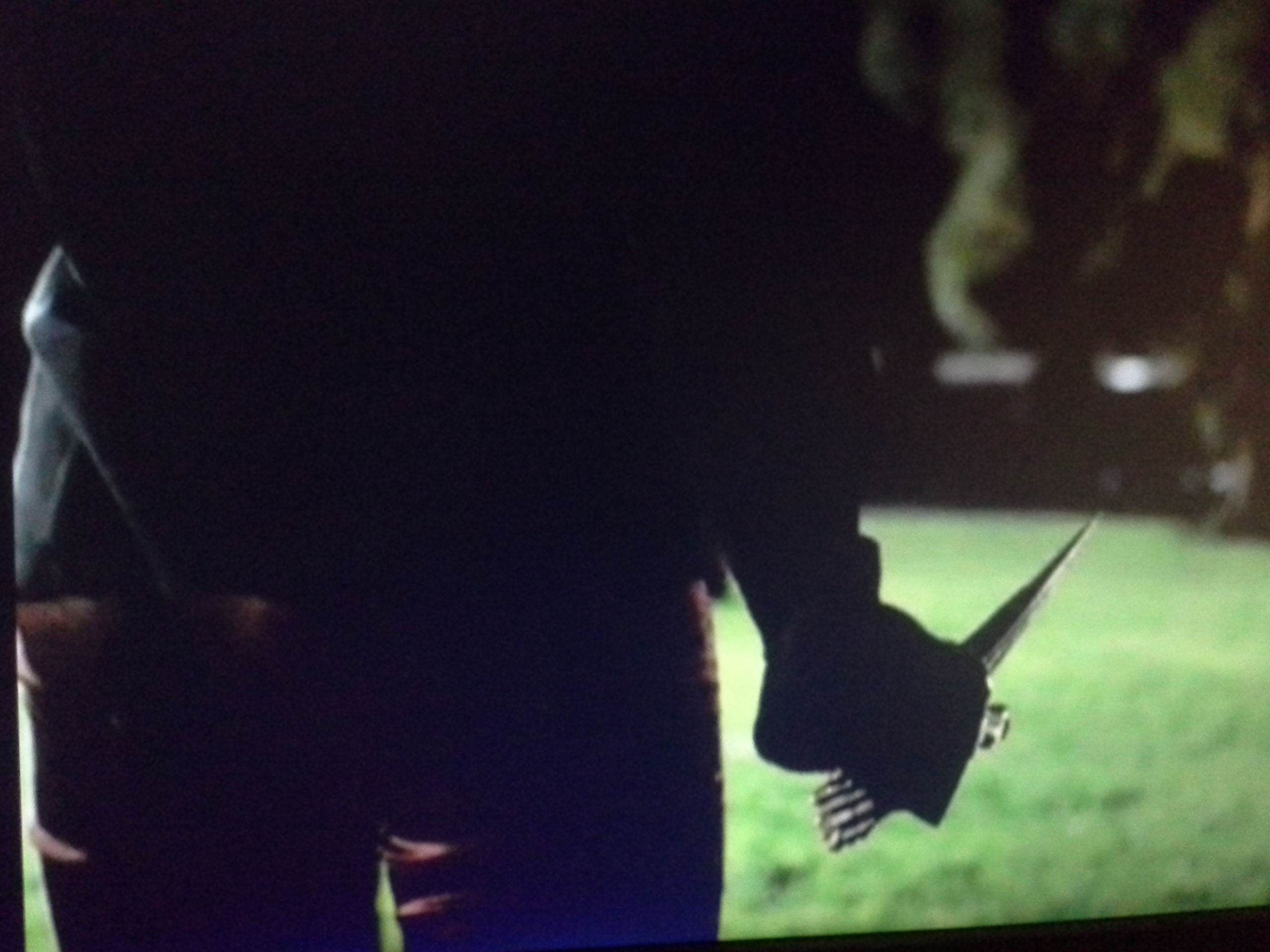
That said, what’s neat is to witness the series molting from erratic, adolescent amateur to self-assured and cultured pro.  That transformation takes place during Season 1, ep. 12, the season finale.  Specifically, the intro segment of the episode contains the moment when the series hits it’s stride.  Buffy is attacked in the cemetery by the latest vampire.  The camera point of view is traditional monster-horror pic, with a closeup of the vampire’s sadistic grin:  he enjoys Buffy’s fear as he moves in for the kill.  But the rhythm of the editing is all camp.  As the camera pans behind her, Buffy produces a sharp wooden stake she had concealed beneath her jacket.  It’s an iconic image of table-turning reversal, a la the poster art for I Spit on Your Grave (compare screen cap of Buffy, above).

Thusly, Buffy flips the helpless-bimbo trope on its ear.  The narrative mood shifts radically from comedic-camp to slasher-horror, a la Friday the 13th.  Only it’s Buffy in the role of Jason.  Next image, a closeup of the vampire’s sadistic glee replaced by the frowning fear of mortality.  As Buffy sets upon the vampire, the action is filmed in a thrilling, Bourne-identity style, close-in combat realism.  Buffy charges, overwhelming the vampire’s strength with three massively powerful strokes.  She dusts the vamp in a rhythmic, athletic grace.  And one feels the series has turned the corner.

Even this show’s biggest fans would have to admit that, up to this point, Season 1 comes off as uneven at best.  Whedon’s biggest and most legitimate excuse?  He signed on to the WB lineup with Buffy as a mid-season replacement series; this meant he had to produce Season 1 in its entirety, without the benefit of audience feedback.  In other words, Whedon and company had to work in the dark, as it were, not airing episodes as they were completed, not knowing what worked and what didn’t, unable to recalibrate between episodes.

Episode 12 pulls the season together on the strength of Whedon’s story-telling chops.  He writes and directs this one, getting the narrative engine firing on all cylinders.  He amps up the driving force of the drama, centering it on an infallible prophecy:  that if Buffy fights The Master, she will die; if she doesn’t, human civilization will end.  Whedon stiffens the clout of the prophecy via the show’s two authorities on the dark arts–Giles and Angel.  Giles so recognizes the certainty of the prophecy, he determines to face The Master himself, in Buffy’s place, a mission of certain suicide, thwarted only by Buffy knocking Giles unconscious.  Angel, never one to shun a fight, steers clear of this one, knowing there’s no way to help the girl he loves and wanting not to witness her slaughter.  News of the prophecy reduces Buffy herself to a state of denial.  She begs her mother to take her on a weekend trip out of town.  Denial gives way to despair, and Buffy hands herself over to die.

The episode works beautifully as a season finale, with long-running plot pots brought to a boil.  Xander finally works up the courage to ask Buffy out on a date.  When she turns him down, he invites Willow, instead, who turns him down, too, fed up with being his second choice.  Miss Calendar emerges from the casting cocoon as an adult associate and potential love interest to Giles, defusing what potential creepy awkwardness there had gone before as Giles survived alone in a universe of teen hotties.  Cordelia gets in on the season finale action, saving Willow’s life in a suspenseful sequence by wielding an anti-vampire weapon available even to a newbie:  her car.  In all of these, the acting feels noticeably more human, the editing more on-task.  And the resulting air-tight thematics push the notion of being “the chosen one” to the realms of inexorable tragedy.

Beer Roundup #5: Three Midwest Strong Scotch Ales

Food and Drink

Image

To Buy or Not to Buy?

1 = horrible
2 = bad
3 = average
3.5 = good (many better beers out there; won’t buy this again)
4 = very good
4.5 = great
5 = rare best

A Note on the Style:

Regular Scotch Ales (5% – 7% abv) generally leave me unmoved.  Their watery, ambiguous malt profiles come off as enfeebled APA’s, without even the hops to save them from abject anonymity.  But boost the alcohol to 8% or more, and the complexity emerges as lucid, jumping layers of sweets and fruits and grains.

Louie’s Reserve, Lake Louie Brewing

Rating:  4.36/5

10% abv, 40 IBU, 12 oz. bottle (4-pk)

The bottle version of this brew isn’t quite as stellar as the draft version (which I gave a 4.6).  It’s a beautiful pour into a snifter.  Golden clean viscous motor oil.  The finger of off-white head dissipates quickly, and the tiny-bubble lacing slides down the glass from the slippery alcohol.

The aroma is really nice, moist zucchini bread, cookie dough, and a workaday flour malt.  It presents itself as a polite breakfast syrup sweetness, reserved in its hints of other character traits:  a faint grassy/grainy earthy aura that surrounds the grainy sweetness.

In the mouth the high alcohol gives a fruity zip to the sweet malt.  And the hop bitterness pulls it further ceiling-ward.  A diacetyl toffee smoke puts one in mind of breakfast and pancakes and burnt, buttered toast.

There’s a metallic tartness that I wish were less bright (something I don’t remember from the draft version).  Middle to high carbonation is somewhat of a drawback, for what otherwise would have been simple cream.

Still one of my favorite Strong Scotch Ales of all time.  Definitely rivals Founders Backwoods Bastard, which makes its own weather because of the barrel aging.  Beats my other two commonly found go-to’s, Oskar Blues Old Chub and Dark Horse Scotty Karate.  Much, much better than Skull Splitter or Sticky McDoogle.

Backwoods Bastard, Founders Brewing Co.

Rating:  4.54/5

10.2% abv, 50 IBU, 12 oz. bottle (4-pk)

Bourbon barrel aging gives this beer a leg up on the other beers in this roundup.

On tap at Dexter’s, Madison.  A Founders tap takeover is a beautiful thing!  Dexter’s serves its 5 oz. pours in these handsome little snifters.  I’m drinking this alongside a half-snifter of Devil Dancer.  What an awesome combo.

This pour is a beauty:  dark-coppery brown with high clarity and a fluffy off-white head.

In the nose you get ripe cherry–a big old waft of cherry that’s just really remarkable.  Then bourbon and buttery caramel and a bit of umami and vanilla that’s somewhat sickeningly sweet.

Surprisingly roasty-sweet malt first on the front of the tongue.  Then that stone fruit from the aroma coats the mouth, with booze and hop bitterness in the finish

Near-syrup viscosity, and a bit of alcohol warmth in the throat, with mild-to-moderate carbonation.

Scotty Karate, Dark Horse Brewing Co.

Rating:  4.26/5

9.75% abv, 30 IBU, 12 oz. bottle

A finger of khaki head fluffs up and dies readily, with almost no lacing on my tulip glass.  The fluid itself is a reddish-brown murk.  Caramel greets the nose assertively, along with topsoil and animal feed grain.  Wood and grass dry out the sweetness in the aroma, with a stone fruit twang.  The palate gets washed with buttery toffee sugar, pie crust, and wood barrel.  A surprising coffee and cocoa in the dry, acidic finish.
The medium body is a bit of a letdown.  It fills the mouth well enough, but could be longer in the finish.

ice storm

Food and Drink, Health

ice storm

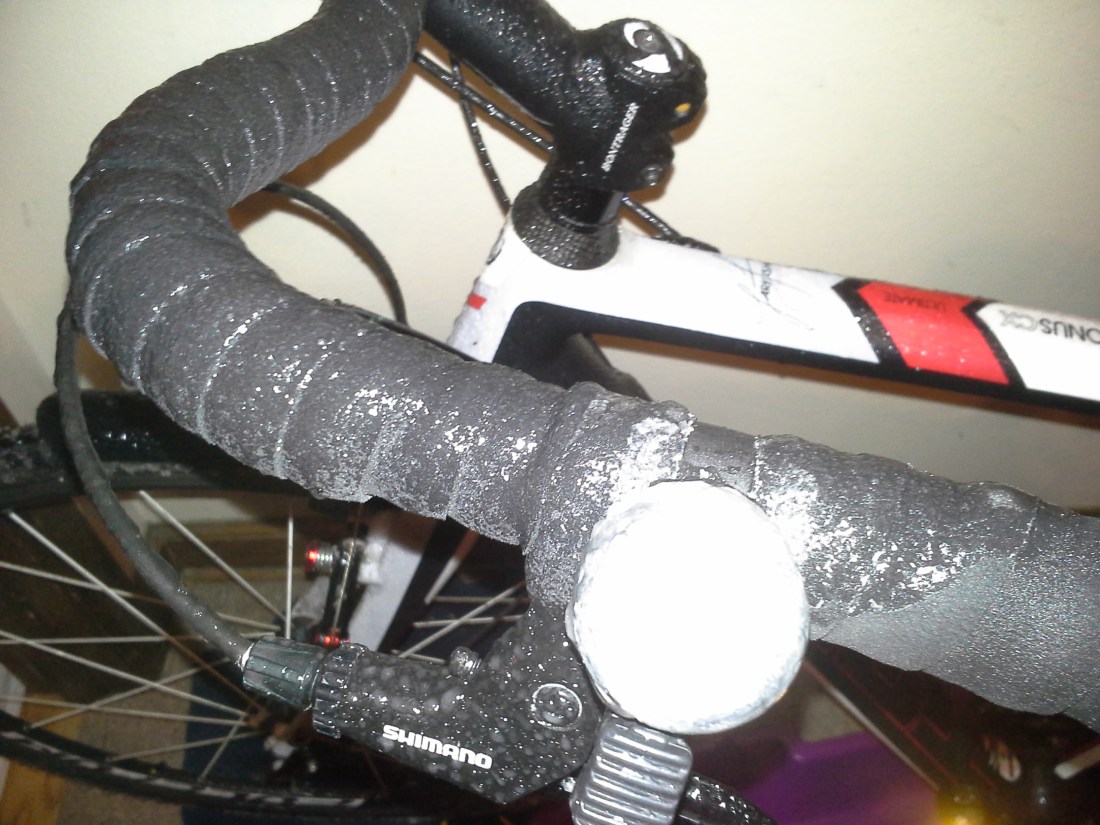
We came out of Karaoke Kid and I had to ride home on my frozen bike.  For the two hours we were karaokiing, my bike was outside on a pole, getting sleeted to death.  On my way home, nothing worked.  Not my brakes, not my shifters.  Couldn’t hear the usual zippy-hum of my studded tires — they were encased in ice.

Favorite Clients from My First Small Business

Entrepreneurship, Media

Image

While running my rental studio, Silver Street Studio in Houston, it was exciting to work with photographers and agencies of international renown, like Mary Ellen Mark and Mark Seliger, Art Department and Greenhouse Reps.  But it was a special pleasure to work with those photographers and crews that were at bottom simply great human beings.

TONY D’ORIO PHOTOGRAPHY

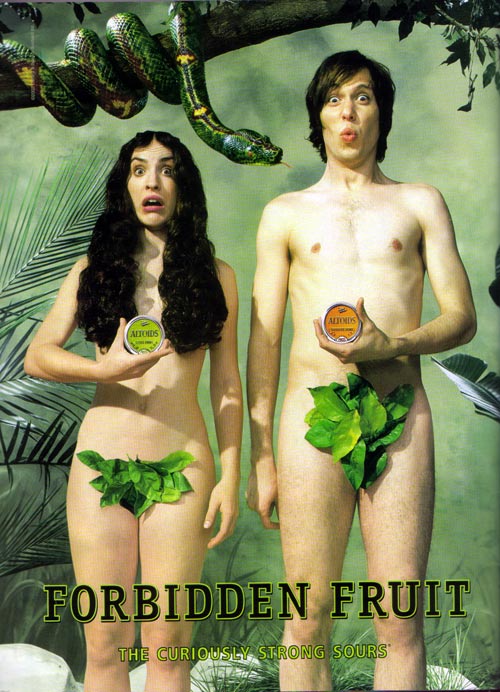
I think immediately of Tony D’Orio, of Altoids fame.  (Note:  Tony’s photo used in the ad above was not shot in my studio).  How refreshing that, in a profession so rife with jealously guarded tricks of the trade, Tony instead offered a broad openness and generousness of spirit.  Over the course of a two-day shoot for McDonalds, he showed me a couple of studio equipment hacks that made my job easier and that would be enjoyed by other photographers in my studio for years to come.  For instance, he showed me how to switch out the hand-crank machine clamp of an Elinchrom Octabank–which have infamously weak grip—with the more robust clamp from a Matthews C-stand.

http://www.tonydorio.com/

FULTON DAVENPORT, PWL STUDIO

Image

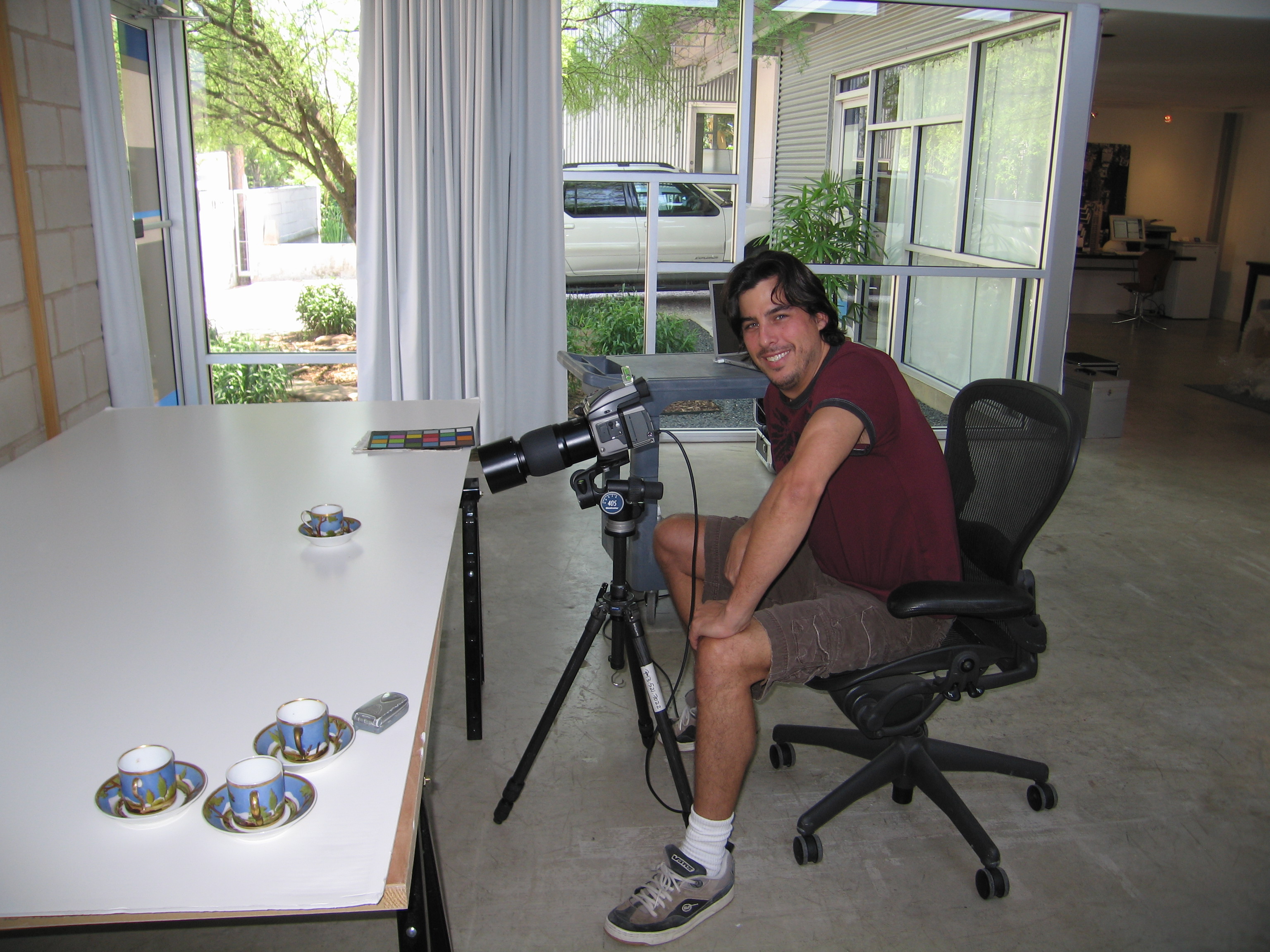
Lucky for me I like photographer Fulton Davenport as much as I do since he was perhaps our biggest repeat client over the years.  With his busy creative firm, PWL Studio, Fulton was shooting in our space practically every other week for years.  One of his specialties is product photography, which was also a specialty of ours.  Take a look at the photo above, of Fulton at work for a high-end antique shop client.  The tabletop set is comprised of expendables and hardware we kept in stock and offered at no extra charge.  Even more to the point of product photography was our studio’s unsurpassed natural light.  Heres Fulton on shooting day light in our space:

“I love the highly technical work, like photographing objects with intense detail, a la Irving Penn shooting for Saks Fifth Avenue.  You’d normally need (or have to build) a light tent.   But here, you’ve got such huge windows on north and south, the light is perfect.  Tents are used just to simulate this.”

http://www.pwlstudio.com/

JUSTIN CALHOUN PHOTOGRAPHY

Imageastronaut mailer sofa guy

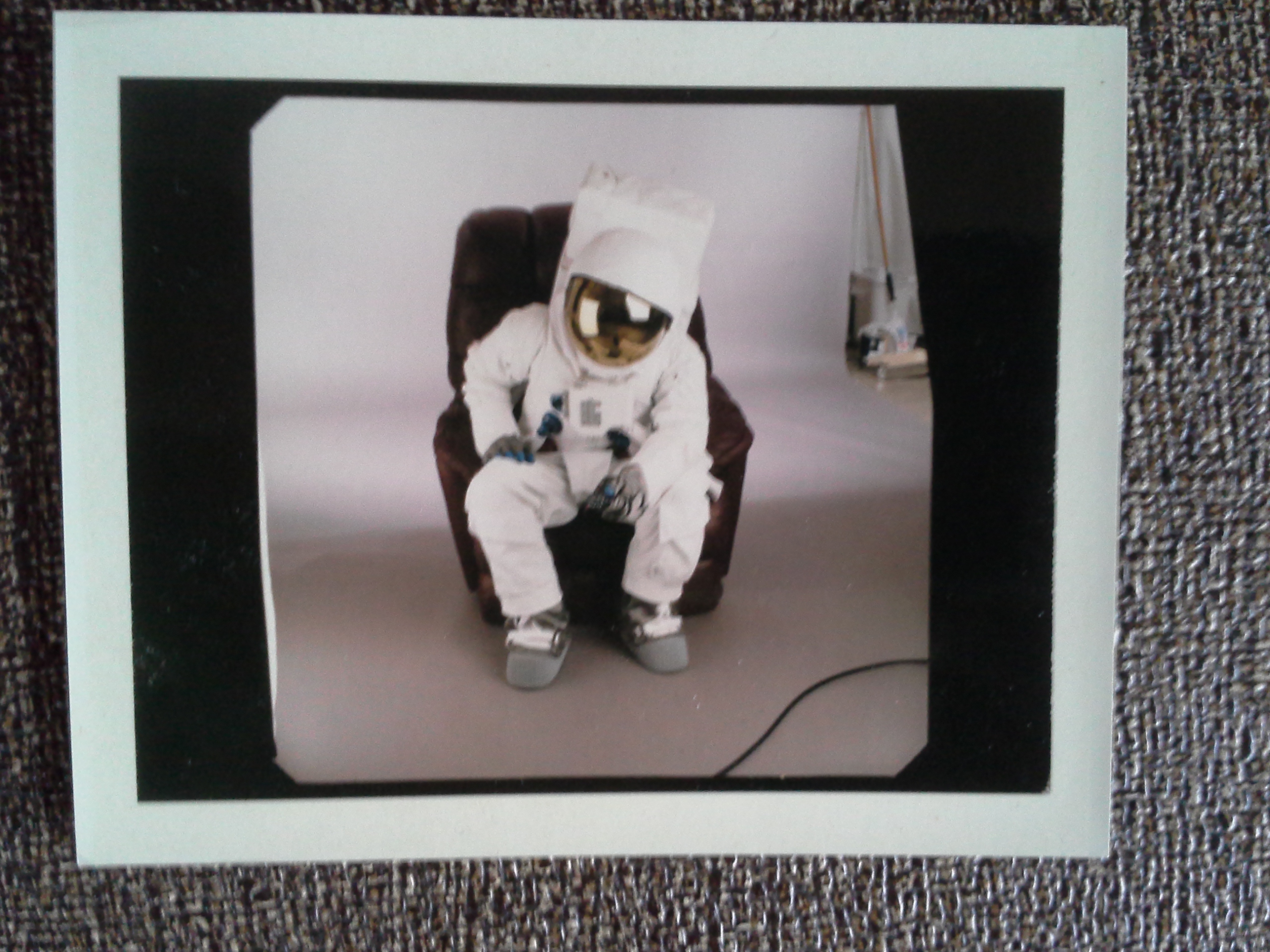
One of my favorite people, photographers or not, is Justin Calhoun.  Justin brought us a big job one summer, and one could tell how much the crew liked working for him.  The makeup department, the photo assistants, even the kraft service people were obviously inspired to work hard for Justin, with smiles all around.  What you see here in the two photos above is a Polaroid test shot (the client wanted Justin to shoot film, not digital) and one of the direct mail pieces ultimately produced from the images.

http://www.justincalhoun.com/

FELIX SANCHEZ PHOTOGRAPHY

Image

Another of our busy-busy clients was Felix Sanchez.  Felix was one of the first to shoot in our studio in the early days, and he continued to bring interesting jobs into our space over the next seven years.  (He has his own beautiful new studio now.)  Before becoming a photographer Felix played in a touring Tejano band, so naturally he’s photographed many musicians throughout his career.  Early on with us, Felix was kind enough to help me assimilate the vast expanse that is studio equipment.  He’d report on all of his new experiences experimenting with lighting equipment.  I based many of my equipment acquisitions on Felix’s information.  The job in the photo above was for Walmart, for which Felix transformed our cold, empty space into a warm and cozy living room.  Go check out his handsome new website.

http://www.felixsanchez.com/

How Madison Healed an Ailing Entrepreneur

Entrepreneurship, Health

awesome pup(photo credit needed)

Madison has made me whole again.  A phoenix rising from the ashes?  Check.  And not a moment too soon.

I was recovering from a serious loss:  grieving the death of my first beloved small business to the cancer of the Great Recession. Obstructing the grieving process was the insane work schedule of my new small business, a nighthawk radiology service.  Nighthawk radiology is third-shift work, 7 PM to 7 AM, seven days on and seven days off.  Each night my two-man team would process (receive, read, and report on) the ER imaging of 130 patients per night from nine regional hospitals.  Then we’d sleep the day long, eat “breakfast” at 5 PM, and do it all over again.  Needless to say, the intensity and Sysiphian nature of my work week allowed for little reflection or meditation.

But at the end of workday seven, I would fly from Houston to Madison to spend my off-week with my wife, who had just gone back to school for graduate studies in public health at UW Madison.  I was greeted each week by the magical sight of Tenney Park (below; photo credit needed), which is essentially the gateway to Madison coming from the airport.

Tenney Park

We lived in UW married student housing, called Eagle Heights.  Each Monday morning I would have the cab stop short of the complex and let me off at the bottom of the hill for a nice stroll up the bike path (below).
2012-10-18_16-17-55_63

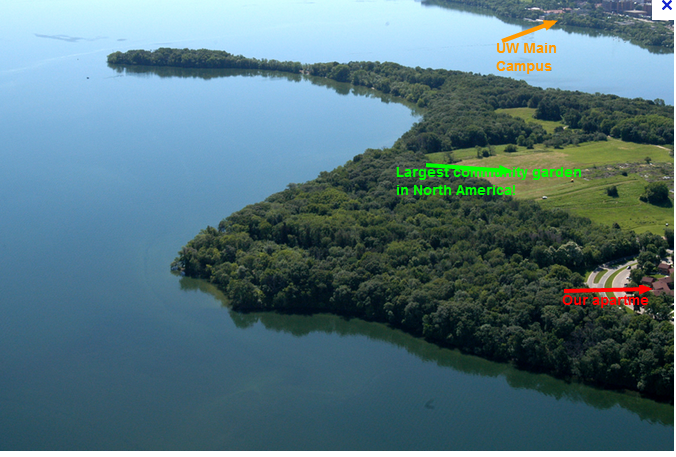
Eagle Heights was a throwback to mid-century institutional community design, with 1200 units housing over 3000 people essentially off in the woods.  It was separated from the main UW campus by a mile-and-a-half of the lake shore, which insulated us from the famously hard-partying undergrads.

It was a quiet hideaway, shaded in summer by 150-foot white pines and old oaks of ten-foot girth.  Summer mornings could get a bit rowdy, as hundreds of the children of grad students ran wild in this bubble of safety and open space.  Summers in Eagle Heights demonstrate the occupation of little kids to be the playtime mimicry of working adults.

eagle heights sandbox

The adults spent a lot of time in the dirt, as well:  Eagle Heights has the largest community garden in the United States (below).
frautschi pointjpg

Our two-bedroom unit was “cozy.” We had brought our king size platform bed with us from Houston, and we were lucky to assemble it with the bedroom door open because, once the platform was screwed together, it blocked the door. Tiny, yes, but the 650 square-feet of space had been laid out so well that we had all we needed.

That tiny apartment, with its single entrance and instantly surveyable floorspace, both swaddled me in warmth and encouraged me to spend time outdoors (which I took to include all the quality beer bars in the area). For us coming from a 3000 ft.² house in Houston, Eagle Heights living forced us to pare back. It was a cleansing consolidation, sorting and culling the piles of material possessions one collects over the years. I was astonished to find myself able to let go, even of items from my childhood that had an irrational hold on me, like this model ship which found a very good home in the bedroom of one of our favorite neighbors (below).
20130525_091620

I feel the emblematic patterns of Middle Life–moving out of state, changing careers, gaining weight, losing hair. Yet I feel it’s in Middle Life that one can make certain choices one couldn’t have made years ago. I feel I’ve traded an old sailing vessel that wasn’t doing me any good for a new one. (Have I mentioned I’ve joined the sailing club?)

29340020

Joining the UW Hoofers sailing club  is something I never would’ve done before.  My pre-Madison worldview was that of consumer first.  And what do good consumers do when they want to go sailing?  They buy a boat of their own.  That probably explains why I’d never chosen to sail:  the concept of owning a boat, and a trailer with which to tow it, and rented storage, all presented a barrier to my entering the world of sailing.  The UW Hoofers Sailing Club leverages the resources of the community to provide the boats and infrastructure and volunteer efforts for maintenance.  For a modest $295/year, I can sail any of the 100+ boats (from dinghies to sloops, on up to six different keel boats), windsurfers, and even snow kites in winter.  Perhaps best of all is unlimited instruction at no extra cost, which is how I learned to sail.

terrace

Speaking of winter, I ride my bike year-round.

ebike snow

In fact, when my wife and I moved to Madison, we sold our cars and left them behind in Texas.  Madison is compact enough, we can go nearly everywhere we want on our bikes.  When we do need to go farther, the Metro bus system is superb, with seemingly more lines than one could ever need.  Also nice, there’s no bus stigma.  To see the bus carrying individuals of many different income levels is to see a city that confronts its traffic problem as adults:  rather than ever-widening streets at the expense of all else, the city actually restricts traffic in various ways, chiefly by restricting parking.  Instead of encouraging more cars into the city center, the city provides great public transit and some of North America’s most admired cycling and pedestrian byways.  The true economic elite in this town still of course drive luxury cars to work every morning.  But if they work in the city center, they park at a premium.  Everyone else enjoys free (with any current student ID) or cheap and highly efficient trips by bus, bike, or on foot.  I recently took the heavily used route #70 nine miles to the west side during rush hour, which took twenty-five minutes.  That same trip on a woefully under-funded bus system in Houston used to take me a punishing 45 minutes each way to and from the college campus where I taught.

Rather than prioritize the individual in his or her own car, Madison coaxes individuals out onto the streets, preserving great public spaces for more people to enjoy.  The site of its lively sidewalk culture and busy bicycle commuter paths could be mistaken for one of the nation’s great cityscapes, like Portland or Seattle or Berkeley.  Madison is a small, compact place.  Competing interests collide.  Hard choices must be made.  It’s clear the city is making many of them well.

aerial_UW_50mm11_1901

There is also Community Car, a car sharing club that rivals the amazing value of the Sailing Club.

CommunityCar logoFor a one time $35 sign up fee, we joined the club and can reserve any of the Priuses, pickup trucks, Honda Fits and Civics, five of them kept in various spots within a mile of our apartment.  The cars are fully insured and fully fueled at no extra cost, save for the hourly fee, which is only $7.50/hour or the $3.75/hour Night Owl rate after 11 PM.  Mileage only costs extra beyond 150 miles in a day.  My wife and I rent Community Car to the tune of $20/month on average. The service hits that sweet spot that’s  triangulated between the bus, the bike, and walking.  The car isn’t the symbol of American individualist freedom for nothing; it can be a real advantage to have a car for certain scenarios.  But not owning a car–not shouldering the financial costs (depreciation, fuel, interest on financing, insurance, sales tax, maintenance, repair; Consumer Reports estimates such costs for a Mini Cooper to be $5,800/year!) or the costs in lost time (dealing with maintenance or breakdowns or flats or dead batteries, researching the purchase, researching the maintenance/repair providers)–now, that’s a freedom in and of itself.  The catchphrase in the Community Car logo is “Own less.  Live more.”  I get that now.

This post is getting way too long.  Besides, by now one can see what I’m getting at about Madison.  Madison has shown us a paradox:  the riches of living modestly but deeply and without fear, in a place that values community.  In this town I feel awake again.  Again?  Or is it really for the first time, ever?